Israeli Airstrikes Kill 31 Dozens in Beirut After Hezbollah Attack, Deepening Regional Conflict

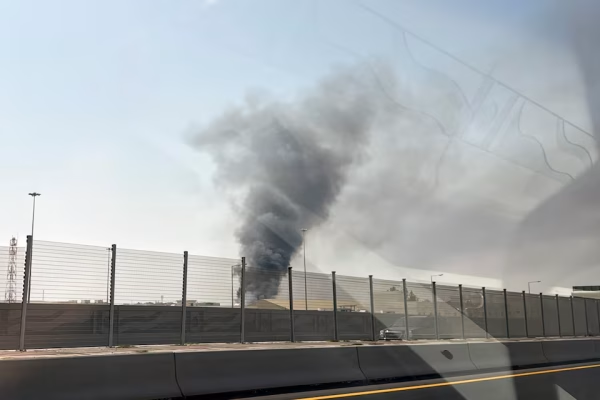
Israeli Airstrikes Kill 31 Dozens in Beirut After Hezbollah Attack, Deepening Regional Conflict – Beirut / Tel Aviv — Israeli warplanes struck multiple targets in and around Beirut on Monday, killing at least 31 people and injuring nearly 150 others, after the Lebanese militant group Hezbollah launched a rocket and drone attack against the northern Israeli city of Haifa. The swift and lethal exchange marks a significant escalation between the long-entrenched adversaries and raises fears of a wider, region-wide conflict.

Continue reading

Pentagon Briefings Cast Doubt on Claim of Imminent Iranian Attack on U.S. Forces

Pentagon Briefings Cast Doubt on Claim of Imminent Iranian Attack on U.S. Forces

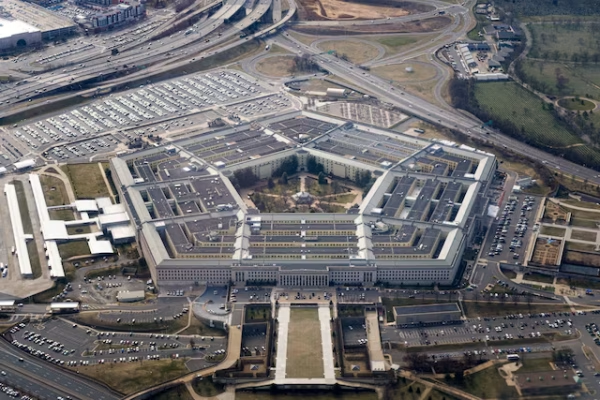
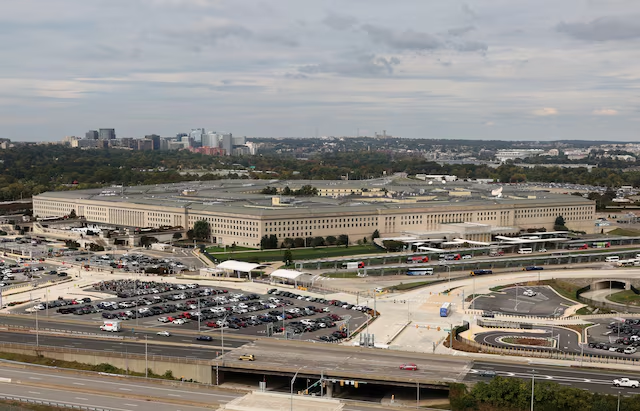
Senior U.S. defence officials have privately acknowledged to lawmakers that intelligence agencies did not detect plans by Iran to strike American forces before the United States and Israel launched large-scale military operations against Tehran, according to sources familiar with classified congressional briefings.

Continue reading

Global Impunity Fuels Israel’s Illegal Push to Annex the West Bank, Amnesty International Warns

Global Impunity Fuels Israel’s Illegal Push to Annex the West Bank, Amnesty International Warns

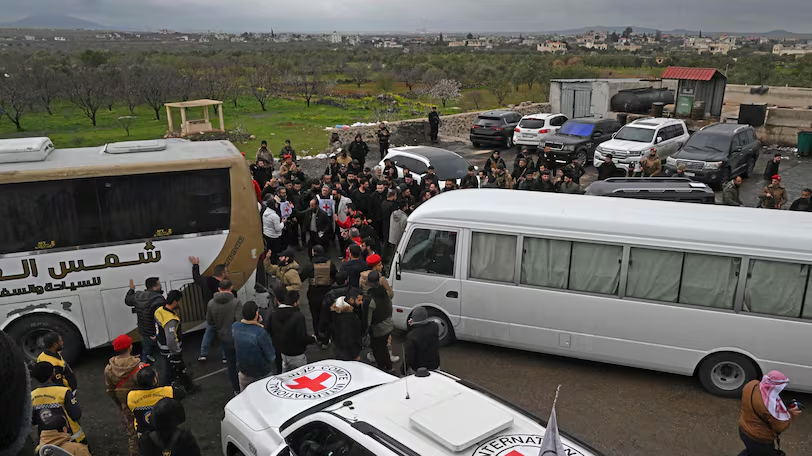
The failure of the international community to take decisive punitive action against Israel has helped turn the illegal annexation of Palestinian land in the occupied West Bank into what may soon become an irreversible reality, Amnesty International has warned.

Continue reading

Nearly 8,000 Migrants Died on Global Migration Routes in 2025, but True Toll Likely Much Higher, UN Warns

Nearly 8,000 Migrants Died on Global Migration Routes in 2025, but True Toll Likely Much Higher, UN Warns

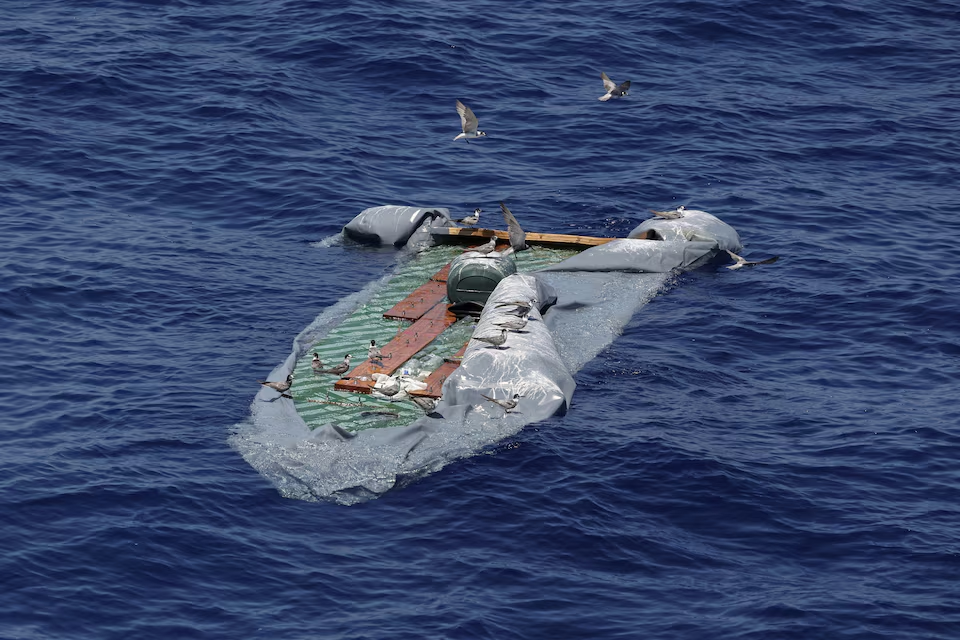
Brussels — Nearly 8,000 people died or went missing on migration routes worldwide in 2025, according to new figures released by the United Nations, but officials warn the real number is likely significantly higher due to shrinking humanitarian access, reduced monitoring capacity, and severe funding cuts.

Continue reading