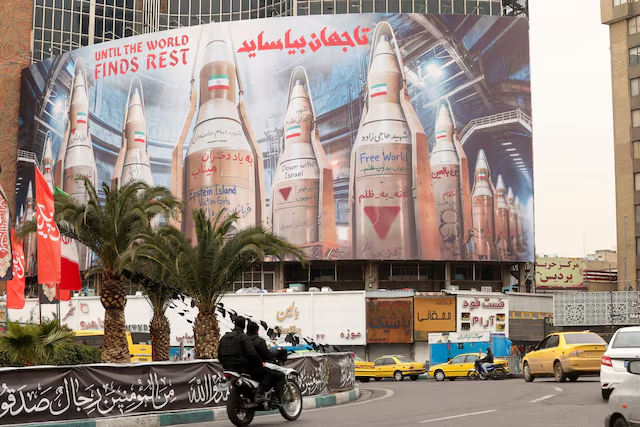
Arrests Reported in Iran as Israel Expands Intelligence-Driven Military Operations

Authorities in Iran have reportedly detained several individuals accused of attempting to influence public opinion and damage symbols associated with national mourning, as the conflict between Tehran and Israel continues to intensify.
According to reports from the Student News Network, three people were arrested in Lorestan Province.
Authorities claim the individuals were attempting to disrupt public sentiment during a period of mourning and were allegedly involved in activities such as damaging symbolic displays connected to the national memorial atmosphere.
Iranian officials have increasingly tightened internal security measures since the outbreak of hostilities with Israel and its allies, citing concerns about internal instability and foreign interference.
Israel Reportedly Shifts to Intelligence-Driven Strikes
Meanwhile, Israel’s military campaign against Iran is entering what analysts describe as a new phase.
According to sources familiar with Israeli military planning who spoke to Reuters, Israel has begun focusing attacks on security checkpoints and other strategic targets based on information provided by informants inside Iran.
This shift suggests that Israeli operations are increasingly relying on ground intelligence networks to identify specific targets within Iranian territory.
Security analysts say such tactics indicate a more sophisticated phase of the conflict, combining traditional air or missile strikes with intelligence gathered from covert sources.
The strategy could allow Israel to strike key facilities, infrastructure points, and security installations with greater precision.
However, it also highlights the growing role of espionage and covert operations in the broader confrontation between the two countries.
Internal Tensions Inside Iran
The latest arrests come amid a tense political atmosphere within Iran, where authorities have previously warned about attempts by foreign powers to destabilise the country.
Earlier this year, the Iranian government faced widespread anti-government protests across several cities.
The demonstrations, which took place in January, were described by some observers as among the most significant waves of unrest in recent years.
Security forces responded with a major crackdown that analysts say became one of the deadliest episodes of repression in the history of the Islamic Republic.
Iranian officials accused external actors of encouraging the unrest.
Authorities specifically blamed Israel and the United States for allegedly supporting efforts to weaken the country’s political system.
Government statements at the time characterised the protests as violent disturbances aimed at overthrowing the clerical leadership that has governed Iran since the 1979 revolution.
Information War Intensifies
The conflict between Iran and Israel is increasingly being fought not only through military strikes but also through information campaigns and internal security operations.
Iranian authorities have repeatedly warned citizens about online misinformation, espionage, and attempts to influence public opinion during wartime.
Officials say they are monitoring social media platforms and communication networks to detect potential threats or propaganda activities.
At the same time, Israel has been accused by Iranian officials of conducting covert operations designed to destabilise the country internally.
Escalating Regional Conflict
The developments come as the broader conflict involving Iran, Israel, and the United States continues to expand.
Military exchanges, missile attacks, and retaliatory strikes have been reported across multiple areas in the Middle East since the war began.
Analysts warn that the combination of military confrontation, covert intelligence operations, and internal unrest could further destabilise the region.
For now, both sides appear to be intensifying their strategies — with Israel reportedly relying more on intelligence networks and Iran increasing internal security measures to counter potential threats.
You Might Also Like